Green Tea Extract & EGCG for Weight Loss: How It Works, Benefits & Dosage

Updated August 23, 2026 · reviewed by the SodaLean Research Team
| What it is | Green tea extract is a concentrated form of green tea rich in catechins, most importantly EGCG. |
| How it helps weight | Catechins and caffeine together support thermogenesis and fat oxidation — a small, steady bump in energy use. |
| Typical dose | Studies use extracts providing roughly 250–500 mg EGCG/day, taken with food. |
| Label tip | Look for a standardised EGCG amount, whether caffeine is included, and take it with a meal. |
Green tea has been enjoyed for thousands of years, but its concentrated cousin — green tea extract — is one of the most common ingredients in modern weight-management products. The reason comes down to a single, heavily studied compound: EGCG. This guide explains how green tea extract and EGCG for weight loss actually work, why caffeine matters to the effect, what the human research supports, how much people typically take, and exactly what to check on a label — including the one safety point that separates a cup of tea from a concentrated capsule.
What is green tea extract and EGCG?
Green tea extract is made by concentrating the beneficial compounds in the leaves of Camellia sinensis. The stars of the show are a family of plant antioxidants called catechins, and the most abundant and best-studied of these is epigallocatechin gallate, or EGCG. A single capsule of extract can deliver the catechin content of several cups of brewed tea, which is exactly why it is both more potent and something to treat with a little more respect.
Most green tea extracts also contain some caffeine, though decaffeinated versions exist. As you will see, whether or not caffeine is present matters a great deal to how the extract behaves.
Green tea extract benefits for weight loss: how it works
The honest framing first: green tea extract is not a dramatic fat burner. Its effect on weight is real but small, and it works through a couple of well-understood mechanisms.
1. It supports thermogenesis
Thermogenesis is simply your body producing heat, which uses energy. Research suggests green tea catechins can modestly increase energy expenditure — the number of calories your body burns at rest — especially when combined with caffeine. The effect is not huge, but a small, steady increase in daily energy use, sustained over time, can support a weight-management plan.
2. It may support fat oxidation
Beyond raising heat production, EGCG is studied for its ability to nudge the body toward using fat for fuel, a process called fat oxidation. This appears to be most noticeable during and around physical activity, which is one reason green tea extract is often paired with exercise in research protocols.
3. The caffeine synergy
Here is a key point that pure-EGCG marketing often skips: much of the weight research uses extracts containing both catechins and caffeine, and the two appear to work together. Caffeine is a mild stimulant of energy expenditure in its own right, and EGCG may help extend and amplify that effect. Decaffeinated extracts still supply EGCG’s antioxidant benefits, but the thermogenic boost tends to be somewhat smaller without the caffeine partner.
4. Antioxidant support
EGCG is a powerful antioxidant, and while general antioxidant activity is not a weight-loss mechanism, it is part of why green tea is so widely valued for overall wellness. It is a welcome bonus rather than the main event.

What the research actually says
Green tea catechins are among the more heavily researched natural compounds for weight, but the results call for realism:
- ✓ Energy expenditure studies generally show a small increase with catechin-plus-caffeine extracts — measurable, but modest.
- ✓ Weight and body-fat outcomes are small. Meta-analyses tend to find minor reductions in body weight and waist circumference when green tea extract is added to a sensible diet — a helpful nudge, not a transformation.
- ✓ Effects vary by person. Genetics, caffeine tolerance and baseline diet all influence how much any individual responds.
- ✓ It works as a tool, not a cure. The benefit comes from consistent use alongside real food, movement and sleep.
A gut-first foundation, simplified
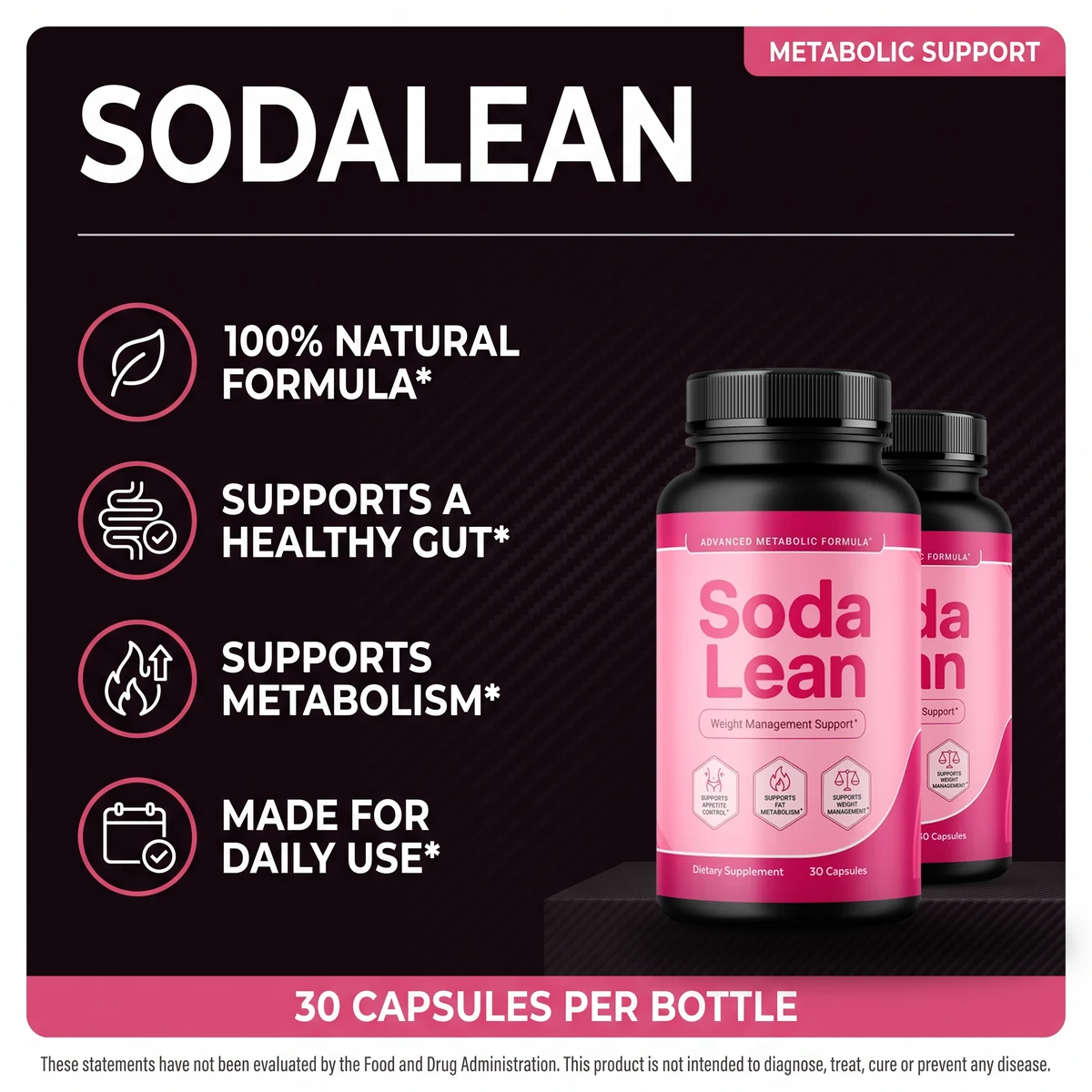
SodaLean™ focuses on fermentable prebiotic fibres and live probiotics in one daily capsule — a simple, gut-first foundation you can build a metabolic-support routine around, backed by a 60-day money-back guarantee.
See SodaLean Packages
Metabolic-support habits reward consistency, so most people choose a 3- or 6-bottle supply to stay in a steady routine.
How much EGCG should you take?
There is no single official dose, but research and safety guidance give clear anchors:
- ✓ Typical amounts in studies provide roughly 250 to 500 mg of EGCG per day, often split into two doses.
- ✓ Stay sensible. Most guidance suggests keeping EGCG from concentrated extracts at or below about 800 mg per day.
- ✓ Always with food. Taking extract with a meal improves comfort and appears to be gentler on the liver than taking it fasted.
- ✓ Mind the caffeine. If your extract contains caffeine, take it earlier in the day so it does not interfere with sleep.
Whatever product you choose, follow its directions. And remember that no single ingredient carries a routine on its own — green tea extract for a small thermogenic nudge, fibre for satiety and gut support, and real food for everything else.

What to look for on a green tea extract label
- ✓ A standardised EGCG amount. Look for the extract to state how much EGCG (or total catechins) each serving provides, not just “green tea extract.”
- ✓ Caffeine content. The label should tell you whether the product is caffeinated or decaffeinated so you can choose to suit your sensitivity.
- ✓ Take-with-food instructions. A responsible product advises taking it with a meal.
- ✓ Minimal fillers and a clean other-ingredients list.
- ✓ Quality signals such as manufacture in an FDA-registered, GMP-certified facility and third-party testing.
If ingredient panels feel confusing, our guide on how to read a gut health supplement label breaks down doses, standardisation and quality signals in about a minute, and how gut health affects weight loss puts thermogenic ingredients in the bigger metabolic picture.
Who should be cautious?
Drinking green tea is remarkably safe, but concentrated extracts deserve more care. In rare cases, high doses of green tea extract taken on an empty stomach have been associated with liver stress, which is why taking it with food and at sensible doses is the standard advice. The caffeine in many extracts can also affect sleep, anxiety and heart rate in sensitive individuals. Anyone who is pregnant or nursing, taking medication (including blood thinners or stimulants), sensitive to caffeine, or managing a health condition should consult a qualified healthcare professional before starting green tea extract, and it is not recommended for those under 18.
How to get the most from green tea extract
Take it with a meal. This is the single most important habit for both comfort and safety.
Pair it with movement. Because the fat-oxidation effect is most noticeable around activity, taking it before a walk or workout may make the most of it.
Choose your caffeine deliberately. Caffeinated extracts may offer a bigger thermogenic nudge; decaf suits sensitive people better. Neither is wrong — it depends on you.
Be consistent and realistic. The effect is small and cumulative, so a steady daily habit beats occasional use, and no capsule replaces the basics of diet, movement and sleep.
The bottom line
Green tea extract is a genuinely well-studied ingredient — not because it melts fat, but because its catechins, led by EGCG, offer a small, steady nudge to thermogenesis and fat oxidation, especially alongside caffeine and activity. The effect is modest, individual and cumulative, which is exactly how to think about it: a helpful accent on a healthy routine, not the routine itself. Take it with food at a sensible dose, mind the caffeine, and use it consistently alongside real food, movement and sleep. Framed that way, green tea extract can be a reasonable, evidence-informed piece of a weight-management plan.
This guide was written and fact-checked by the SodaLean Research Team — an independent group focused on gut health, metabolism and evidence-based weight management — and medically reviewed by Emily Gottfried. We read the primary research, translate it into plain language, and flag hype wherever we find it. We never promise miracle results, only clear, accurate information you can act on. Spotted something to correct? Email [email protected].
Frequently asked questions
Does green tea extract help you lose weight?
Green tea extract is not a fat burner in the dramatic sense, but its catechins, especially EGCG, are studied for supporting thermogenesis and fat oxidation. Combined with caffeine and paired with a sensible diet and activity, green tea extract is linked in research with small increases in energy expenditure and modest support for weight management, particularly around body fat and waist size, rather than large or rapid changes.
How much EGCG should I take per day?
Studies commonly use green tea extract standardised to provide roughly 250 to 500 mg of EGCG per day, often split into two doses. Because concentrated extracts can be high in catechins, most guidance suggests staying at or below about 800 mg of EGCG daily and taking it with food. Always follow the directions on your specific product.
Is it better to take green tea extract with or without caffeine?
Much of the research on green tea for weight uses extracts that contain both catechins and caffeine, and the two appear to work together to support thermogenesis and fat oxidation. Decaffeinated extracts still provide EGCG and are a good option for caffeine-sensitive people, but the combined effect on energy expenditure may be somewhat smaller.
When is the best time to take green tea extract?
Green tea extract is best taken with food rather than on an empty stomach, which improves comfort and appears to be safer for the liver. If your product contains caffeine, taking it earlier in the day helps avoid interfering with sleep. Consistency day to day matters more than exact timing.
Are there any risks with green tea extract?
Drinking green tea is very safe, but concentrated extracts are more potent. High doses taken on an empty stomach have, in rare cases, been linked with liver stress, so extracts should be taken with food and at sensible doses. The caffeine content can also affect sleep and sensitive individuals. Anyone who is pregnant or nursing, taking medication, or managing a health condition should consult a qualified healthcare professional first.
References
- Hursel R, et al. “The effects of green tea on weight loss and weight maintenance: a meta-analysis.” International Journal of Obesity, 2009.
- Dulloo AG, et al. “Efficacy of a green tea extract rich in catechin polyphenols and caffeine in increasing 24-h energy expenditure and fat oxidation in humans.” The American Journal of Clinical Nutrition, 1999.
- Janssens PLHR, et al. “Nutraceuticals for body-weight management: the role of green tea catechins.” Physiology & Behavior, 2016.
- Hu J, et al. “The safety of green tea and green tea extract consumption in adults.” Regulatory Toxicology and Pharmacology, 2018.
- Chen IJ, et al. “Therapeutic effect of high-dose green tea extract on weight reduction: a randomized, double-blind, placebo-controlled clinical trial.” Clinical Nutrition, 2016.
† These statements have not been evaluated by the Food and Drug Administration. This product is not intended to diagnose, treat, cure or prevent any disease. This article is for general information only and is not medical advice; consult a qualified healthcare professional before making changes to your diet or supplement routine.