How to Read a Gut Health Supplement Label: CFU, Strains, Prebiotics & Synbiotics

Updated August 23, 2026 · reviewed by the SodaLean Research Team
| Strains | Look for full three-part names (genus, species, strain), not just a genus. |
| CFU | A stated live count — ideally guaranteed through expiry, not only at manufacture. |
| Prebiotics | Named fibres (e.g. chicory root inulin) that feed the strains — that makes it a synbiotic. |
| Red flags | Proprietary blends, genus-only names, filler-heavy “other ingredients,” cure claims. |
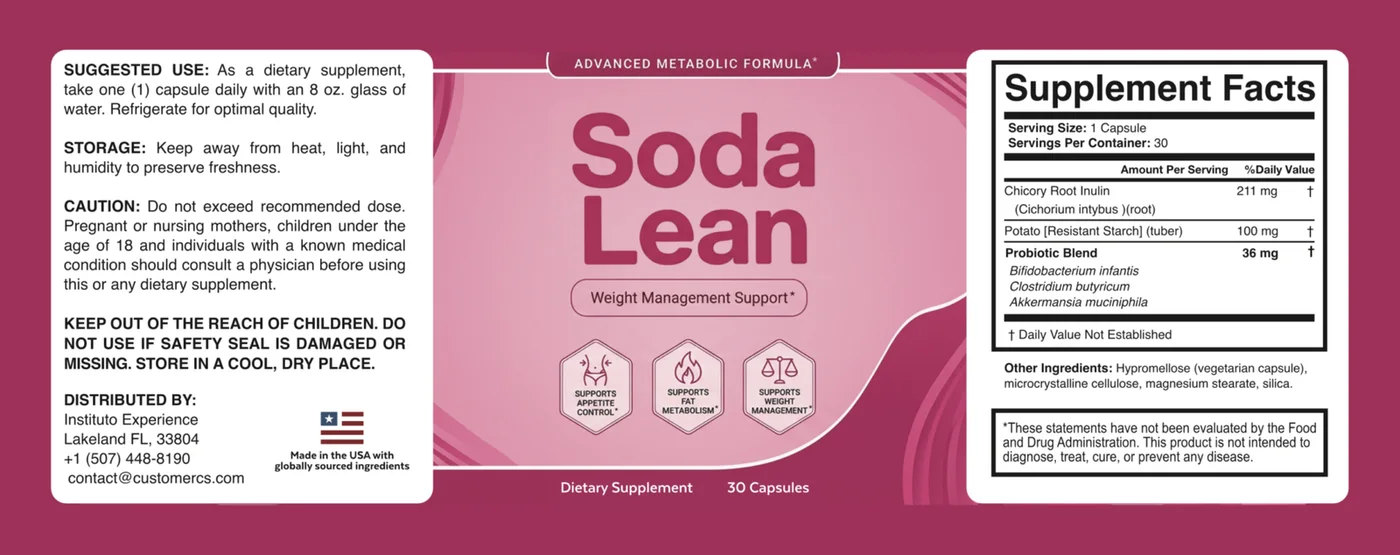
Two gut supplements can look almost identical on the shelf and be worlds apart in quality. The difference is written, in small print, on the back of the bottle — and once you know how to read a gut health supplement label, you can tell a serious formula from a pretty jar in under a minute. This guide walks through every part of the label that matters: probiotic strains, CFU counts, prebiotic fibres, what makes a true synbiotic, the "other ingredients" line, storage and potency, quality certifications, and the red flags that should make you put a bottle back down.
1. Probiotic strains: read the full name
A proper probiotic name has three parts: genus, species and strain. Take Bifidobacterium infantis — "Bifidobacterium" is the genus, "infantis" the species. The best labels go further and add a specific strain designation (often a code of letters and numbers). Why does this matter so much? Because research findings almost always apply to a specific strain, not to a whole genus. A label that just says "contains Bifidobacterium" is like a wine list that only says "red." Look for named species — and be reassured when a formula lists exactly which strains you are getting, as SodaLean does with Bifidobacterium infantis, Clostridium butyricum and Akkermansia muciniphila. If a strain intrigues you, dig deeper — our guide to Akkermansia muciniphila benefits is a good example of what a single named strain can tell you.
2. CFU: what the number really means
CFU stands for colony-forming units — a count of how many viable, living bacteria are in a serving. Two things trip people up here:
- ✓ Bigger is not automatically better. Different strains are effective at different amounts. A giant CFU number is a marketing flex, not proof of quality; the right amount depends on the strain.
- ✓ “At time of manufacture” vs “through expiry.” This is the detail that separates honest labels from optimistic ones. Live bacteria die off over time, so a count guaranteed only at manufacture may be much lower by the time you swallow it. A count guaranteed through the expiration date is far more meaningful.
Some next-generation strains are measured by cell count or milligrams rather than a classic CFU figure, and blended synbiotic formulas may express the probiotic portion as a stated weight. What matters is that something quantifiable is on the label, not a vague promise.
3. Prebiotic fibres: the fuel
Probiotics are only as useful as the food available to them. That food is the prebiotic — specialised fibres that survive digestion and feed beneficial bacteria in the lower gut. On a good gut label you will see named prebiotics such as chicory root inulin or resistant starch, each with a stated amount. These are not filler; they are half of the mechanism. To understand what each one does, see our guides to chicory root inulin and potato resistant starch.

4. Synbiotics: probiotics + prebiotics, on purpose
When a product deliberately combines probiotics with the prebiotics that feed them, it is called a synbiotic. This is the sign of a formula designed as a system rather than assembled as a buzzword. A synbiotic label reads like a plan: here are the beneficial strains, and here is the fibre that helps them thrive. The pay-off of that pairing — more short-chain fatty acids like butyrate — is something we cover in our guide to butyrate and short-chain fatty acids. If a label lists probiotics and prebiotics separately with clear amounts, that is a strong, honest signal.
A synbiotic you can actually read
SodaLean™ lists exactly what is inside: chicory root inulin (211 mg), potato resistant starch (100 mg) and a three-strain live probiotic blend (36 mg) — no proprietary blends, no mystery. One capsule a day, 60-day money-back guarantee.
See SodaLean Packages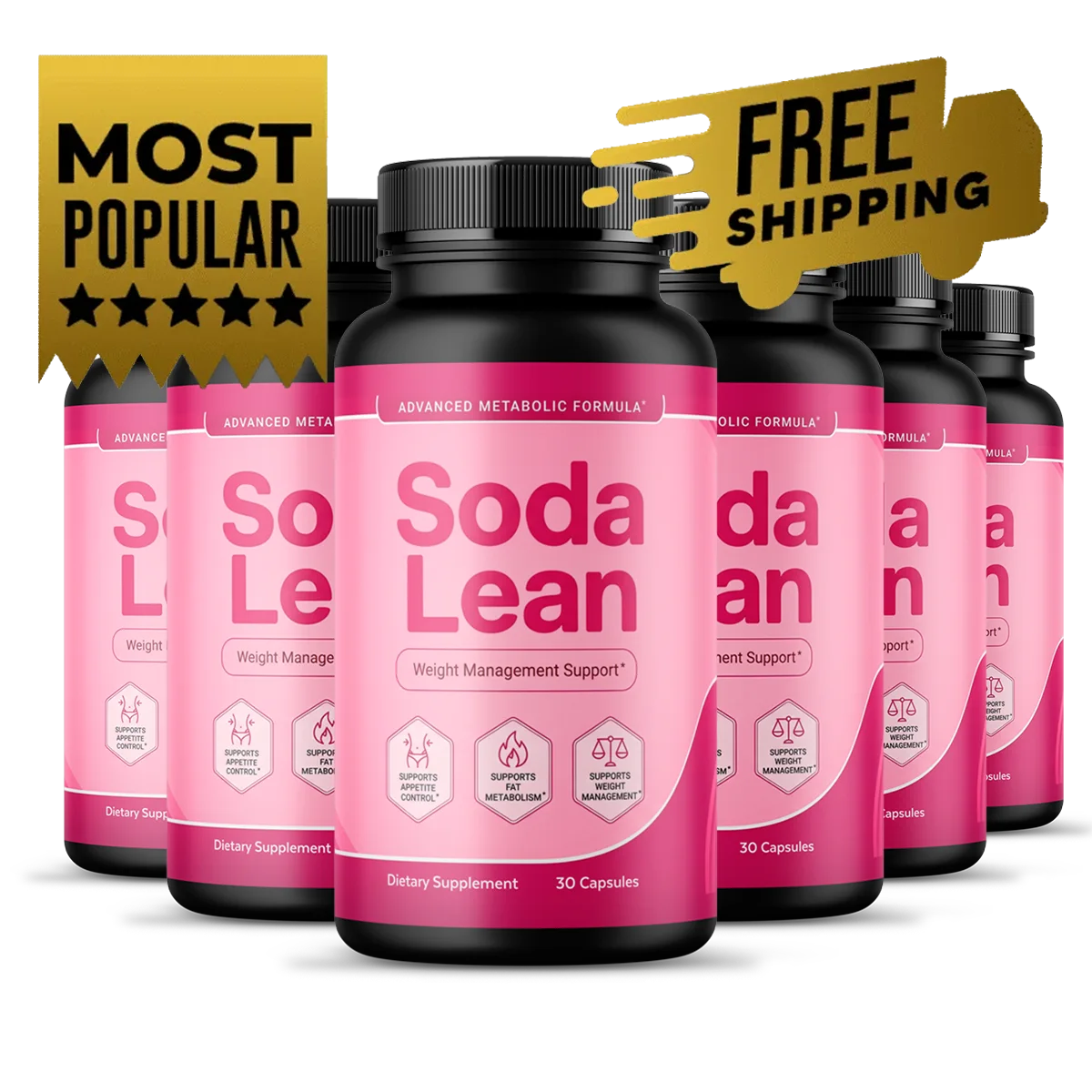
Gut support builds gradually, so many people choose a 3- or 6-bottle supply to stay consistent.
5. The “other ingredients” line
Flip past the Supplement Facts box and you will find the other ingredients — everything that is not an active. This line is a quiet quality tell. A short, clean list is a good sign: a vegetarian capsule (hypromellose), maybe a flow agent like microcrystalline cellulose, magnesium stearate or silica. Long lists studded with artificial colours, sweeteners and unnecessary fillers suggest a product built for shelf appeal rather than your gut. Shorter and clearer almost always wins.
6. Potency and storage
Live cultures are sensitive to heat and moisture. That is why some labels specify storage instructions — for instance, a suggestion to refrigerate after opening to preserve potency. Far from being a nuisance, a storage instruction is a sign the maker actually cares whether the bacteria survive to do their job. Read it and follow it; it protects the very thing you paid for.
7. Quality and manufacturing signals
Because dietary supplements are regulated differently from medicines, manufacturing standards vary widely. Look for signals that the maker holds itself to a real standard:
- ✓ GMP-certified facility. Good Manufacturing Practices cover consistency, cleanliness and quality control.
- ✓ FDA-registered facility. Note the wording: this refers to the facility being registered, not to FDA approval of the product itself — an important distinction.
- ✓ Non-GMO and allergen callouts. Clear statements about GMO status, gluten, dairy and vegetarian suitability help you match a product to your needs.
- ✓ A stated guarantee. A genuine money-back guarantee signals a company willing to stand behind its formula.
8. Red flags to avoid
Finally, the warning signs. Any one of these is a reason to be cautious:
- ✓ Proprietary blends that give a single total weight but hide how much of each ingredient you get. If you cannot see the amounts, you cannot judge the product.
- ✓ Genus-only probiotics with no species or strain named.
- ✓ CFU guaranteed only “at manufacture.”
- ✓ Disease-cure claims. No legitimate supplement can claim to treat, cure or prevent disease. Bold medical promises are a legal and scientific red flag.
- ✓ Filler-heavy formulas with a long tail of dyes, sweeteners and binders.

Putting it all together
Here is the 60-second version. Turn the bottle over and ask: Are the probiotic strains named in full? Is there a clear, quantified amount for each active — no hidden proprietary blend? Are prebiotic fibres listed alongside the probiotics, making it a real synbiotic? Is the "other ingredients" line short and clean? Are there genuine quality signals, and no disease claims? If the answers are yes, you are holding a formula built by people who expect you to read the label. For the bigger picture of why any of this matters for your waistline, see how gut health affects weight loss.
This guide was written and fact-checked by the SodaLean Research Team — an independent group focused on gut health, metabolism and evidence-based weight management — and medically reviewed by Emily Gottfried. We read the primary research, translate it into plain language, and flag hype wherever we find it. We never promise miracle results, only clear, accurate information you can act on. Spotted something to correct? Email [email protected].
Frequently asked questions
What does CFU mean on a probiotic label?
CFU stands for colony-forming units, a measure of how many viable, live bacteria are in a serving. More is not automatically better, because different strains work at different amounts. What matters most is that the count is stated clearly and, ideally, guaranteed through the expiry date rather than only at the time of manufacture.
Why do probiotic strains need three-part names?
A complete probiotic name has three parts: genus, species and strain, for example Bifidobacterium infantis. The strain is the most specific level, and research findings usually apply to a specific strain rather than the whole species. A label that names only a genus like Bifidobacterium is telling you far less than one that names the full strain.
What is a synbiotic?
A synbiotic is a product that combines probiotics (beneficial bacteria) with prebiotics (the fibres those bacteria feed on). Pairing them is designed so the prebiotic nourishes the probiotic. On a label this looks like named probiotic strains listed alongside prebiotic fibres such as chicory root inulin or resistant starch.
What are the biggest red flags on a gut supplement label?
Watch for proprietary blends that hide individual amounts, probiotics named only by genus with no strain, CFU counts guaranteed only at manufacture, long lists of fillers, sweeteners and dyes, and disease-cure claims. Missing quality signals, like no mention of GMP-certified or FDA-registered manufacturing, are also worth noting.
Do probiotics need to be refrigerated?
It depends on the strains and how the product is stabilised. Some formulas are shelf-stable, while others suggest refrigeration after opening to preserve potency. Follow the storage directions on the label, which are there specifically to protect the live cultures you paid for.
References
- Hill C, et al. “Expert consensus document: The International Scientific Association for Probiotics and Prebiotics consensus statement on the scope and appropriate use of the term probiotic.” Nature Reviews Gastroenterology & Hepatology, 2014.
- Swanson KS, et al. “The International Scientific Association for Probiotics and Prebiotics (ISAPP) consensus statement on the definition and scope of synbiotics.” Nature Reviews Gastroenterology & Hepatology, 2020.
- Gibson GR, et al. “Expert consensus document: the ISAPP consensus statement on the definition and scope of prebiotics.” Nature Reviews Gastroenterology & Hepatology, 2017.
- U.S. Food and Drug Administration. “Dietary Supplement Labeling Guide.” FDA Center for Food Safety and Applied Nutrition.
- Binns N. “Probiotics, Prebiotics and the Gut Microbiota.” ILSI Europe Concise Monograph Series, 2013.
† These statements have not been evaluated by the Food and Drug Administration. This product is not intended to diagnose, treat, cure or prevent any disease. This article is for general information only and is not medical advice; consult a qualified healthcare professional before making changes to your diet or supplement routine.