Potato Resistant Starch Benefits: How Resistant Starch Supports Metabolism & Weight

Updated August 23, 2026 · reviewed by the SodaLean Research Team
| What it is | Potato resistant starch is a starch that resists digestion and behaves like a prebiotic fibre. |
| How it helps | It feeds butyrate-producing bacteria, supports fullness and steadier blood-sugar responses. |
| Best known for | The “second-meal effect” — one resistant-starch meal can improve the response to the next. |
| Label tip | Look for a named source (potato) and a stated per-serving amount, ideally paired with probiotics. |
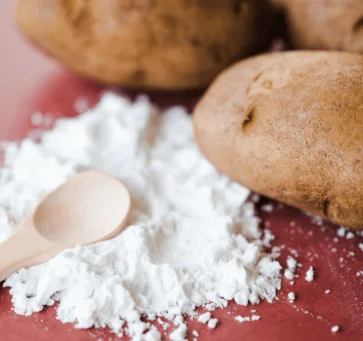
Most of us grew up thinking of the potato as the enemy of a healthy weight. But there is a version of potato starch that behaves almost nothing like the mashed variety on your plate — and it has become one of the most interesting prebiotic ingredients in gut-health science. It is called resistant starch, and the type found in potatoes is prized because it slips past digestion and travels down to your gut bacteria, where the real action happens. This guide explains the different kinds of resistant starch, exactly how potato resistant starch supports metabolism and weight management, how much people use, and how to spot a quality version on a label.
What is resistant starch?
Ordinary starch is digested rapidly: enzymes in your mouth and small intestine break it down into glucose, which is absorbed into the bloodstream. Resistant starch earns its name because it resists that process. Instead of being digested up top, it passes intact into the large intestine, where it becomes fermentable fuel for your gut microbes — functionally, it acts like a soluble, fermentable fibre.
Nutrition scientists sort resistant starch into four broad types:
- ✓ RS1 — physically trapped starch, locked inside whole grains, seeds and legumes.
- ✓ RS2 — naturally resistant granules, abundant in raw potato starch and green (unripe) bananas.
- ✓ RS3 — retrograded starch, formed when cooked starchy foods like potatoes, rice or pasta are cooled.
- ✓ RS4 — chemically modified resistant starch created during food processing.
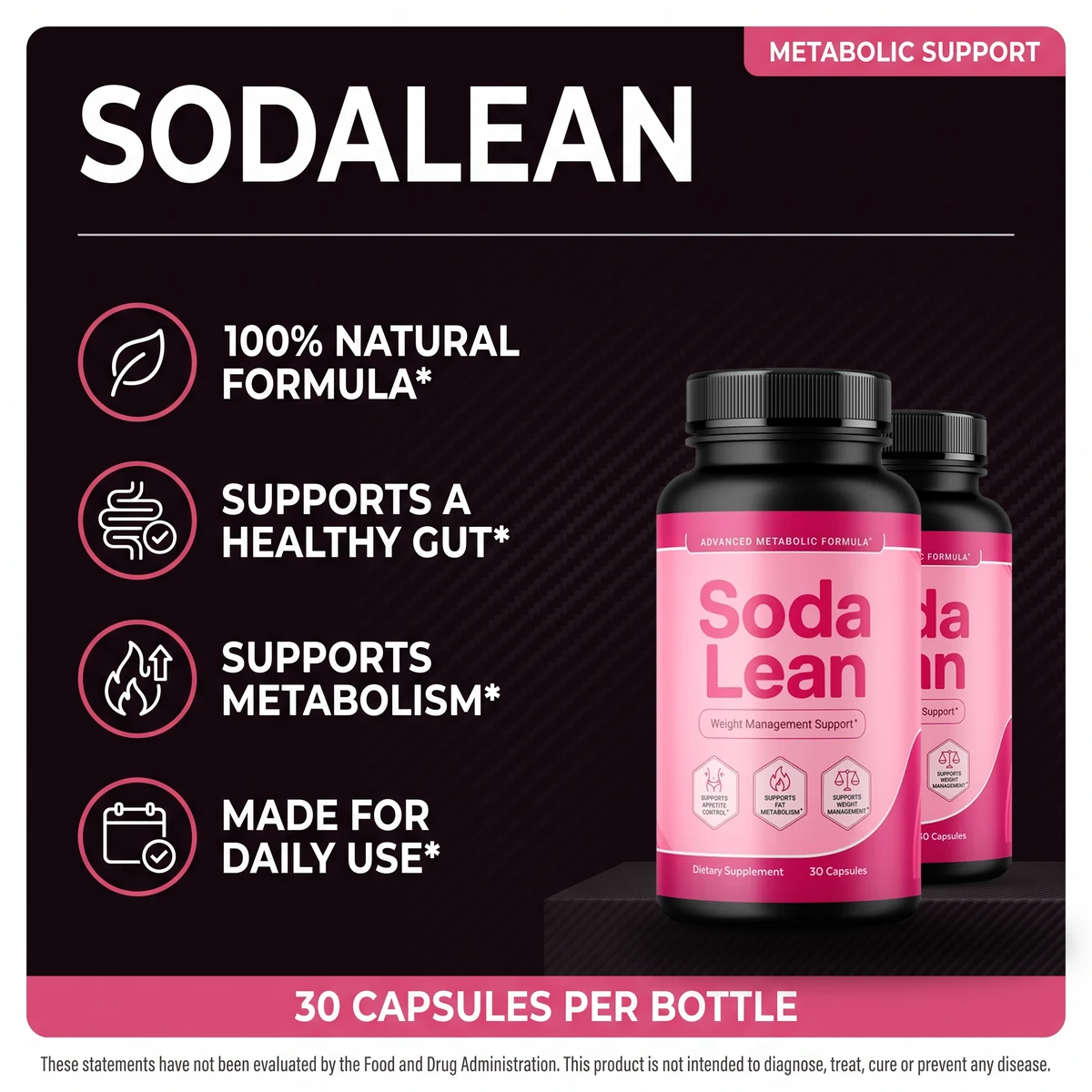
Potato starch is one of the richest natural sources of RS2, which is why it is a go-to prebiotic ingredient. In SodaLean, potato resistant starch is listed on the label at 100 mg per capsule, working alongside chicory root inulin and a live probiotic blend as part of a synbiotic system.
How potato resistant starch supports metabolism and weight
Like inulin, resistant starch is not a fat burner and should never be sold as one. Its value is in a set of quiet, food-first mechanisms.
1. It is a butyrate factory
Resistant starch is one of the most efficient fuels for producing butyrate, a short-chain fatty acid that nourishes the cells lining your colon and supports a healthy gut barrier. Butyrate is a big part of why researchers pay attention to resistant starch at all; we explore it in detail in our guide to butyrate and short-chain fatty acids. This pathway also feeds beneficial, butyrate-loving microbes, which is why resistant starch pairs so naturally with probiotic strains.
2. The second-meal effect
One of resistant starch's most distinctive findings is the second-meal effect: eating resistant starch at one meal is associated with a gentler blood-sugar response at the next meal, hours later. This carry-over effect is thought to involve the fermentation products created by your gut bacteria. Steadier blood sugar tends to mean fewer sharp energy crashes — and fewer of the cravings that crashes set off.
3. Fullness and appetite
Because it adds fermentable bulk and supports the release of satiety signals, resistant starch can help meals feel more satisfying. As with any fibre-like ingredient, the effect is gentle and cumulative rather than dramatic, but steadier appetite is exactly what makes a sensible eating plan easier to sustain over weeks and months.
Resistant starch and insulin sensitivity
Several studies of isolated resistant starch have reported improvements in markers of insulin sensitivity, particularly at higher intakes. The proposed mechanism ties back to the gut: the short-chain fatty acids produced during fermentation appear to influence how the body signals and handles glucose. It is worth stressing that these are supportive, general effects observed in research — not a treatment for any condition. Anyone managing blood sugar medically should work with their clinician rather than relying on a supplement.
Two prebiotics, three probiotics, one capsule
SodaLean™ combines potato resistant starch and chicory root inulin with a three-strain live probiotic blend — a gut-first, once-daily formula backed by a 60-day money-back guarantee.
See SodaLean Packages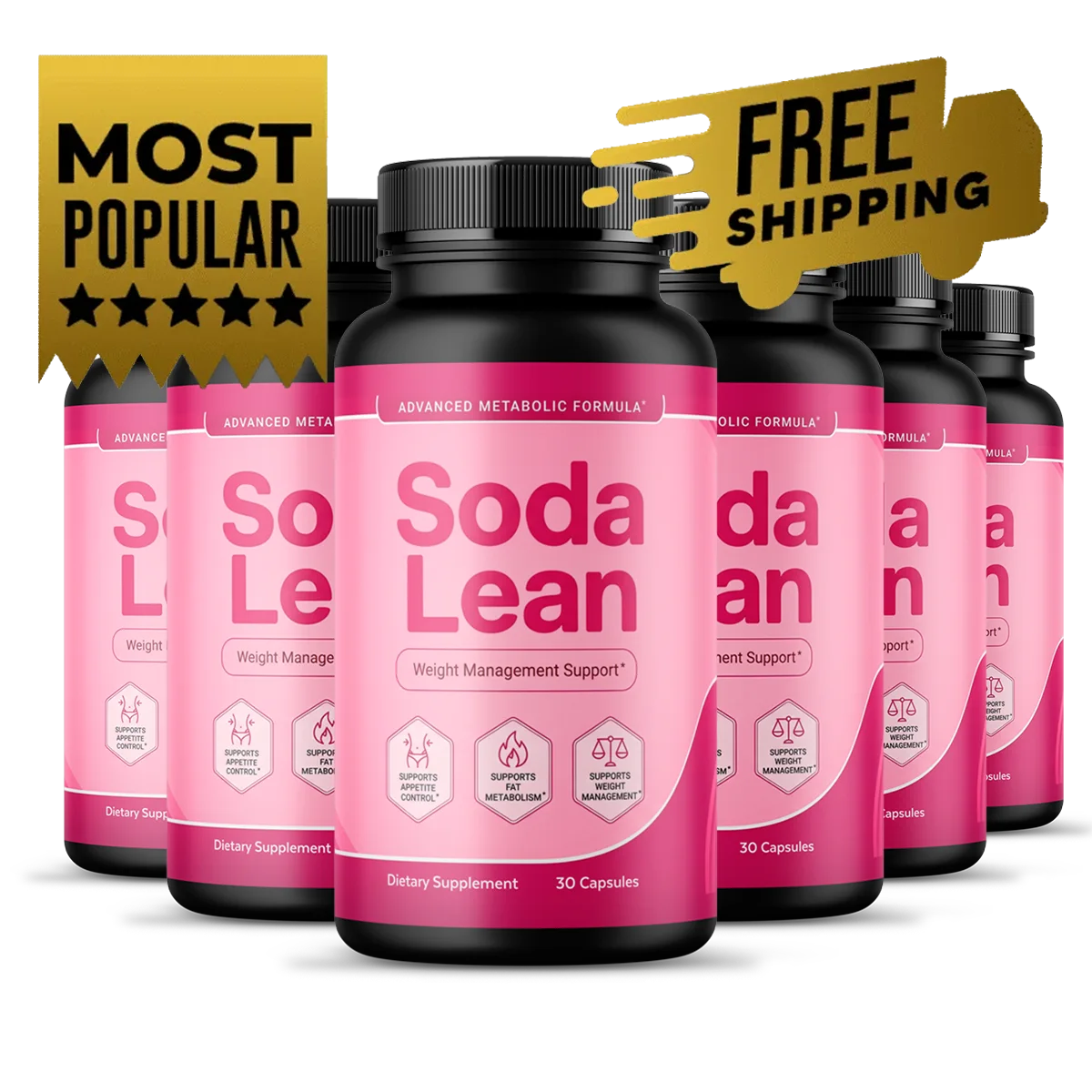
A 3- or 6-bottle supply keeps the daily habit going, since gut and metabolic support build gradually.
How much resistant starch should you take?
There is no universal dose, and the right amount depends on your goal and tolerance:
- ✓ Metabolic research has often used sizeable amounts of isolated resistant starch — frequently in the range of 15 to 30 grams per day — to study blood-sugar and gut effects.
- ✓ Start small. Because resistant starch is heavily fermented, jumping to a large amount is the fastest way to feel gassy. Begin low and build up over a couple of weeks.
- ✓ Blends use less on purpose. A capsule that combines resistant starch with inulin and live probiotics will list a smaller per-serving amount than a standalone starch scoop, because the ingredients are designed to work as a team.
- ✓ Consistency wins. A steady daily habit does more for your microbiome than an occasional big dose.
Can you get resistant starch from food?
Absolutely — and it is worth doing alongside any supplement. The catch is that cooking method matters. Heat converts much of the RS2 in a raw potato into digestible starch, so a hot baked potato is not a resistant-starch food. But there is a neat trick: cook and then cool starchy foods. Cooling cooked potatoes, rice or pasta forms retrograded RS3, so a cooled potato salad or day-old rice contains more resistant starch than the same food served hot. Green (unripe) bananas, legumes and whole grains are other everyday sources. For the wider picture of how these foods shape your waistline, see how gut health affects weight loss, and for the fibre side of the equation, our guide to chicory root inulin for weight loss.
What to look for on the label
- ✓ A named source. "Potato resistant starch" or "resistant starch (tuber)" is clearer than a vague "starch blend."
- ✓ A stated amount. The Supplement Facts panel should give a per-serving figure so you can compare products.
- ✓ Sensible pairing. Resistant starch alongside inulin and named probiotic strains points to a well-designed synbiotic.
- ✓ Clean extras. A short "other ingredients" line and manufacturing in an FDA-registered, GMP-certified facility are reassuring signals.
Not sure how to decode the rest of the panel? Our step-by-step guide to reading a gut health supplement label walks through every line.
Who should be cautious?
Resistant starch is generally very well tolerated, but people with certain digestive sensitivities may notice more gas, and anyone following a specialised diet for a medical reason should check with a clinician. As with any supplement, if you are pregnant or nursing, under 18, or taking medication, speak with a qualified healthcare professional before starting. Introduce it gradually and back off if you feel persistent discomfort.
The bottom line
Potato resistant starch flips the script on the humble spud. In its RS2 form it is not a quick-digesting carbohydrate at all but a prebiotic that fuels butyrate production, supports fullness, and is linked with steadier blood-sugar responses through the distinctive second-meal effect. It works best paired with other prebiotic fibres and live probiotics, given a few weeks of consistency, and layered on top of good food, sleep and movement. Choose a product that names its source and states its dose — and let your gut bacteria do the rest.
This guide was written and fact-checked by the SodaLean Research Team — an independent group focused on gut health, metabolism and evidence-based weight management — and medically reviewed by Emily Gottfried. We read the primary research, translate it into plain language, and flag hype wherever we find it. We never promise miracle results, only clear, accurate information you can act on. Spotted something to correct? Email [email protected].
Frequently asked questions
What is potato resistant starch and how is it different from regular starch?
Regular starch is broken down into glucose in your small intestine. Resistant starch resists that digestion and passes to the large intestine, where gut bacteria ferment it. Raw potato starch is one of the richest sources of type-2 resistant starch (RS2), which is why it is used as a prebiotic ingredient.
How does resistant starch help with weight and metabolism?
Resistant starch acts like a fibre. It feeds beneficial bacteria that produce short-chain fatty acids such as butyrate, supports fullness, and is linked in research with gentler blood-sugar responses and a second-meal effect, where a resistant-starch meal improves the response to the next meal. These effects can make everyday appetite and energy easier to manage.
How much resistant starch should I take?
Metabolic studies have often used larger amounts of isolated resistant starch, sometimes 15 to 30 grams daily, but many people start much lower to avoid gas as the gut adapts. In a blended capsule, resistant starch is usually paired with other prebiotics and probiotics at a smaller per-serving amount by design, so follow the product label.
Does cooking destroy resistant starch?
Heat can convert type-2 resistant starch into a digestible form, which is why raw potato starch is far higher in RS2 than a hot baked potato. Interestingly, cooking and then cooling starchy foods like potatoes or rice creates a different type, retrograded RS3, so cooled cooked potatoes contain more resistant starch than freshly cooked ones.
Can resistant starch cause bloating?
Yes, especially when you start at a high amount, because it is fermented in the gut. Beginning with a small dose, drinking water and increasing gradually over a couple of weeks usually lets the gut adapt and reduces temporary gas or bloating.
References
- Higgins JA. “Resistant starch and energy balance: impact on weight loss and maintenance.” Critical Reviews in Food Science and Nutrition, 2014.
- Robertson MD, et al. “Insulin-sensitizing effects of dietary resistant starch and effects on skeletal muscle and adipose tissue metabolism.” The American Journal of Clinical Nutrition, 2005.
- Nilsson AC, et al. “Including indigestible carbohydrates in the evening meal of healthy subjects improves glucose tolerance, lowers inflammatory markers, and increases satiety after a subsequent standardized breakfast.” The Journal of Nutrition, 2008.
- Bindels LB, et al. “Resistant starch can improve insulin sensitivity independently of the gut microbiota.” Microbiome, 2017.
- Koh A, et al. “From dietary fiber to host physiology: short-chain fatty acids as key bacterial metabolites.” Cell, 2016.
† These statements have not been evaluated by the Food and Drug Administration. This product is not intended to diagnose, treat, cure or prevent any disease. This article is for general information only and is not medical advice; consult a qualified healthcare professional before making changes to your diet or supplement routine.