Butyrate & Short-Chain Fatty Acids: The Gut Metabolite That Shapes Weight

Updated August 23, 2026 · reviewed by the SodaLean Research Team
| What they are | Short-chain fatty acids (acetate, propionate, butyrate) made when gut bacteria ferment fibre. |
| Why butyrate matters | It fuels the gut lining, supports the barrier, and helps signal fullness and metabolism. |
| The weight link | SCFAs are tied to satiety hormones and lower background inflammation — supportive, not magic. |
| How to raise them | Feed butyrate-producing bacteria with prebiotic fibre; some probiotics make butyrate too. |
Here is one of the most useful ideas in modern nutrition: some of the most important compounds for your gut and metabolism are not in your food at all. They are made inside you, by your gut bacteria, out of the fibre you eat. These compounds are called short-chain fatty acids — and the star of the group, butyrate, is a big part of why "eat more fibre" is such durable advice. This guide explains what short-chain fatty acids are, how butyrate influences appetite, the gut barrier and metabolism, and the practical ways to help your body make more of it.
What are short-chain fatty acids?
When you eat fermentable fibre — the kind that escapes digestion in your stomach and small intestine — it arrives in your large intestine intact. There, the trillions of bacteria in your colon get to work fermenting it. The main by-products of that fermentation are short-chain fatty acids (SCFAs): small, energy-rich molecules, chiefly acetate, propionate and butyrate. Far from being waste, they are among the most biologically active compounds your microbiome produces — a direct, chemical line of communication between your gut bacteria and the rest of your body.
This is the mechanism that turns "prebiotic fibre" from a vague health-food phrase into something concrete. When you read that chicory root inulin or potato resistant starch "feeds good bacteria," the pay-off is right here: more SCFAs, especially butyrate.
Why butyrate is the one to know
Of the three main SCFAs, butyrate gets special attention for a simple reason: it is the preferred fuel for the cells lining your colon. Those cells run largely on butyrate, and a well-fuelled gut lining is a well-maintained one.
1. It fuels and protects the gut barrier
By nourishing the cells of the colon, butyrate helps keep the gut barrier — the wall that decides what stays in your gut and what passes through — strong and intact. A robust barrier is associated with lower levels of the background, low-grade inflammation that researchers link to sluggish metabolism. This is the same barrier tended by strains like Akkermansia, which we cover in our guide to Akkermansia muciniphila benefits.
2. It helps signal fullness
Short-chain fatty acids interact with cells in your gut that release satiety hormones such as GLP-1 and PYY — the body's own "I'm satisfied" messengers. This is one of the ways a fibre-rich, SCFA-producing gut can support steadier appetite and fewer relentless cravings, without any stimulants involved.
3. It influences energy metabolism
Beyond the gut, SCFAs are absorbed and reach other tissues, where they are studied for their roles in how the body signals and uses energy. The research here is active and evolving, but the consistent theme is that a gut producing plenty of SCFAs tends to be a metabolically healthier gut.
The butyrate connection to weight
Let us be precise, because this is where marketing often overreaches. Butyrate does not "burn fat." What the evidence supports is a set of supportive mechanisms: better appetite signalling, a stronger gut barrier, and lower background inflammation — all of which make the everyday business of managing weight a little easier and more sustainable. Think of butyrate less as a lever you pull and more as a sign that your gut ecosystem is well fed and working the way it should. For the broader picture of how this ties into your waistline, see how gut health affects weight loss.
Feed your gut's butyrate makers
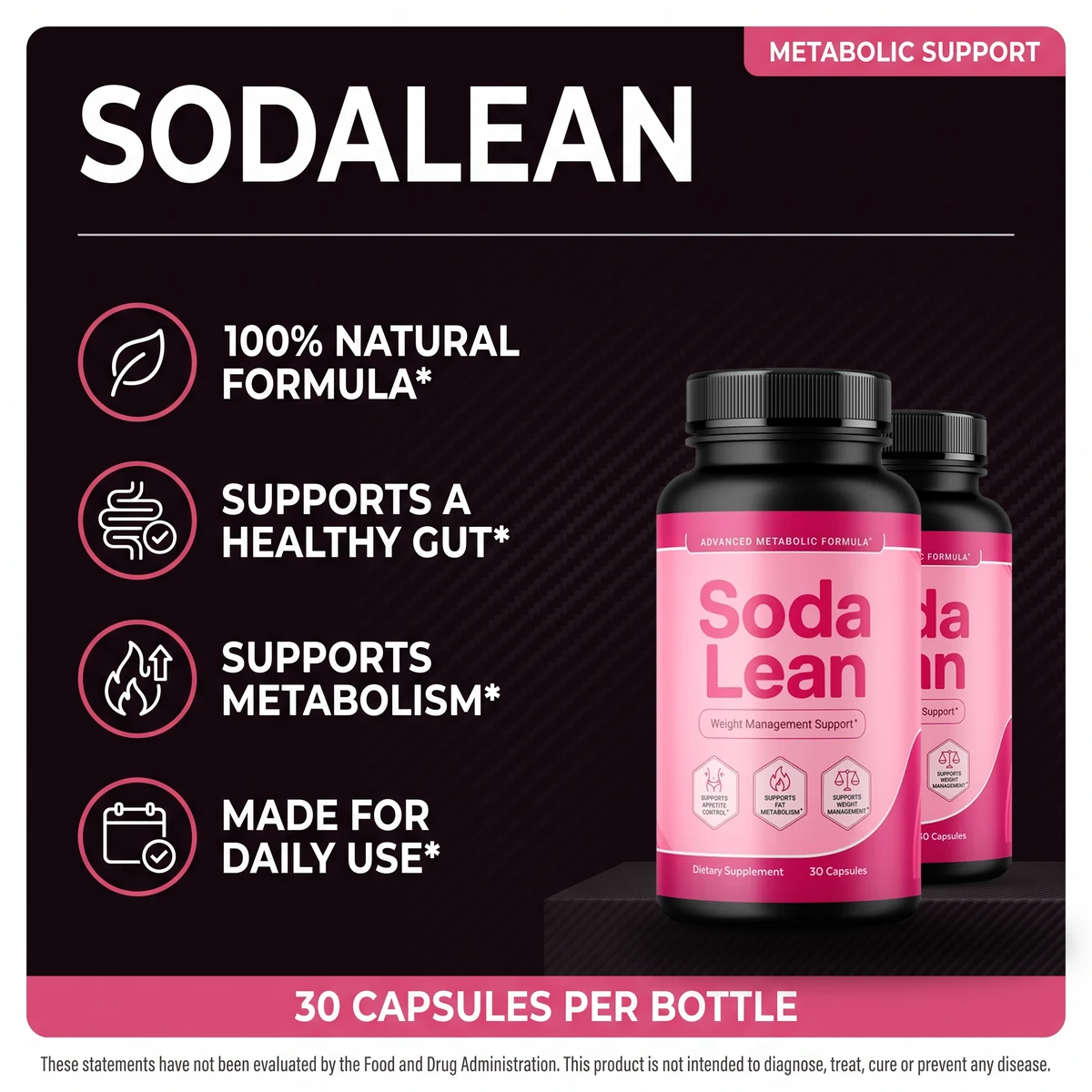
SodaLean™ pairs prebiotic chicory root inulin and potato resistant starch — prime fuels for butyrate — with a live probiotic blend that includes the butyrate-producing strain Clostridium butyricum. One capsule a day, 60-day money-back guarantee.
See SodaLean Packages
Because SCFA support builds with a consistent daily habit, most people choose a 3- or 6-bottle supply.
How to increase butyrate naturally
The best way to raise butyrate is not to swallow butyrate — it is to feed the bacteria that make it. That is a food-first, gut-first strategy:
- ✓ Prebiotic fibres. Chicory root inulin and potato resistant starch are among the most effective fuels for butyrate production.
- ✓ A wide variety of plants. Different fibres feed different bacteria, so diversity on your plate builds diversity — and resilience — in your gut.
- ✓ Butyrate-producing probiotics. Some strains, notably Clostridium butyricum, produce butyrate directly, which is why they appear in gut-focused formulas.
- ✓ Resistant-starch food hacks. Cooking and cooling potatoes or rice raises their resistant-starch content — a cheap, everyday way to feed your butyrate makers.
- ✓ Consistency. SCFA production reflects your recent diet, so a steady fibre habit keeps the supply steady.
Should you take a butyrate supplement directly?
Direct butyrate supplements do exist. They have their place, but many people prefer the synbiotic route: supply the raw material (prebiotic fibre) and the workforce (probiotic strains), and let your gut manufacture butyrate where it is needed, in the amounts the ecosystem calls for. This is the logic behind pairing inulin and resistant starch with a strain like Clostridium butyricum. If you are weighing options, it is worth understanding how to read a label so you can tell a genuine synbiotic from a fibre with a probiotic sticker — see our guide to reading a gut health supplement label. As always, a healthcare professional can help you decide what fits your situation.

Who should be cautious?
Increasing fermentable fibre raises SCFA production, which is the goal — but ramping up too quickly can cause temporary gas or bloating. Build up gradually and drink plenty of water. Anyone with a diagnosed digestive condition, or who is pregnant or nursing, under 18, or taking medication, should check with a qualified healthcare professional before making significant changes to fibre intake or starting a new supplement.
The bottom line
Short-chain fatty acids are the hidden pay-off of eating fibre, and butyrate is the one worth remembering. It fuels the gut lining, helps guard the barrier, supports the hormones that tell you you have had enough, and is tied to a metabolism that runs a little more smoothly. You raise it not by chasing a single supplement but by feeding the bacteria that make it — with prebiotic fibres, a diverse diet, and probiotic strains that produce butyrate themselves. That is the whole idea behind a well-built synbiotic: give your gut the raw materials, stay consistent, and let your own biology do the rest.
This guide was written and fact-checked by the SodaLean Research Team — an independent group focused on gut health, metabolism and evidence-based weight management — and medically reviewed by Emily Gottfried. We read the primary research, translate it into plain language, and flag hype wherever we find it. We never promise miracle results, only clear, accurate information you can act on. Spotted something to correct? Email [email protected].
Frequently asked questions
What are short-chain fatty acids?
Short-chain fatty acids (SCFAs) are small molecules your gut bacteria produce when they ferment fibre in the large intestine. The three main ones are acetate, propionate and butyrate. They are a major reason dietary fibre matters, because they nourish the gut lining and send signals that influence appetite and metabolism.
Why is butyrate so important?
Butyrate is the preferred fuel for the cells lining your colon, so it helps maintain a healthy gut barrier. It is also studied for its links to lower background inflammation and to signals involved in appetite and energy metabolism. A gut that produces plenty of butyrate is generally a well-fed, well-functioning gut.
How do short-chain fatty acids affect weight?
SCFAs are linked with the release of satiety hormones such as GLP-1 and PYY, which support feelings of fullness. By strengthening the gut barrier they are also associated with lower low-grade inflammation, which researchers connect to healthier metabolism. These are supportive effects rather than a direct cause of weight loss.
How can I increase butyrate naturally?
Feed your gut bacteria the fibres they ferment into butyrate. Prebiotic fibres like chicory root inulin and potato resistant starch are excellent fuels, and a varied, plant-rich diet supports the bacteria that make butyrate. Some probiotic strains, such as Clostridium butyricum, are themselves butyrate producers.
Should I take a butyrate supplement directly?
Direct butyrate supplements exist, but many people prefer to support the body's own production by feeding butyrate-making bacteria with prebiotic fibres and pairing them with probiotic strains. This synbiotic approach works with your gut ecosystem rather than delivering a single metabolite. Speak with a healthcare professional about what suits you.
References
- Koh A, et al. “From dietary fiber to host physiology: short-chain fatty acids as key bacterial metabolites.” Cell, 2016.
- Canfora EE, et al. “Short-chain fatty acids in control of body weight and insulin sensitivity.” Nature Reviews Endocrinology, 2015.
- Chambers ES, et al. “Effects of targeted delivery of propionate to the human colon on appetite regulation, body weight maintenance and adiposity in overweight adults.” Gut, 2015.
- Ríos-Covián D, et al. “Intestinal short chain fatty acids and their link with diet and human health.” Frontiers in Microbiology, 2016.
- Stoeva MK, et al. “Butyrate-producing human gut symbiont, Clostridium butyricum, and its role in health and disease.” Gut Microbes, 2021.
† These statements have not been evaluated by the Food and Drug Administration. This product is not intended to diagnose, treat, cure or prevent any disease. This article is for general information only and is not medical advice; consult a qualified healthcare professional before making changes to your diet or supplement routine.