Psyllium Husk Fiber for Weight Loss: Benefits, How It Works & Dosage

Updated August 23, 2026 · reviewed by the SodaLean Research Team
| What it is | Psyllium husk is a soluble, gel-forming fibre from the seeds of Plantago ovata. |
| How it helps weight | It forms a thick gel that supports fullness, slows digestion and steadies blood sugar. |
| Typical dose | Studies use roughly 5–10 g/day, often before meals — always with a full glass of water. |
| Label tip | Look for a named psyllium source, a clear gram amount, and few added sugars or fillers. |

Psyllium is one of the oldest and most reliable fibres in the supplement world — the same ingredient behind many well-known fibre products your grandparents probably used. Lately it has found a new audience among people interested in appetite and weight, and for good reason. This guide explains how psyllium husk fiber for weight loss actually works, what the research supports, how much people typically take, and exactly what to check on a label — along with the safety point that matters most with this particular fibre.
What is psyllium husk?
Psyllium husk is the outer coating of the tiny seeds of the Plantago ovata plant, grown mainly in India. What makes it special is its behaviour in water: psyllium is a soluble, gel-forming fibre, meaning it absorbs a large amount of liquid and swells into a thick, viscous gel. That gel is the source of almost all of its benefits.
It helps to place psyllium alongside the other fibres you may have read about. Highly fermentable prebiotics like chicory root inulin and potato resistant starch are prized because gut bacteria ferment them heavily to make beneficial short-chain fatty acids. Psyllium is different: it is only partially fermented, so its main action is mechanical — the gel — rather than fermentation. That is a feature, not a flaw, and it is why many people who get gassy on inulin tolerate psyllium comfortably.
Psyllium husk benefits for weight loss: how it works
As always, the honest framing first: psyllium is not a fat burner. It supports weight management indirectly, through several well-understood mechanisms.
1. It promotes fullness
When you take psyllium with water before a meal, the gel it forms takes up space in the stomach and slows how quickly the stomach empties. The result is a greater, longer-lasting sense of fullness that can make it easier to eat a little less without willpower doing all the work. This is the most direct weight-relevant benefit.
2. It steadies blood sugar
By thickening the contents of the gut, psyllium slows the absorption of sugars from a meal, which is linked in research with gentler, more even blood-sugar and insulin responses. Smoother post-meal energy tends to mean fewer sharp crashes — and fewer of the cravings that crashes trigger.
3. It supports regularity and comfort
Psyllium is one of the best-studied fibres for healthy, regular bowel function, adding soft bulk that keeps things moving comfortably. Good regularity is not a weight-loss mechanism by itself, but it makes a fibre-forward eating pattern far more pleasant to sustain.
4. It may modestly support healthy cholesterol
Psyllium is one of the few fibres with enough evidence that it is widely recognised for helping maintain healthy cholesterol levels already within a normal range, by binding bile acids in the gut. This is a general wellness bonus rather than a weight mechanism, but it speaks to how well characterised this fibre is.

What the research says
Psyllium has a long research history, which is refreshing in a field full of newcomers. A few honest reference points:
- ✓ Appetite trials generally find that psyllium taken before meals increases fullness and can reduce hunger between meals.
- ✓ Weight outcomes are modest. When added to a sensible diet, psyllium is associated with small improvements in body weight and waist measurements over weeks to months — helpful, not dramatic.
- ✓ Blood-sugar and cholesterol support are among its best-established effects, which is why it appears in many general-wellness recommendations.
- ✓ It works as a tool, not a cure. The benefit comes from consistent use alongside real food, movement and sleep.
A gut-first fibre routine, simplified
SodaLean™ focuses on fermentable prebiotic fibres and live probiotics in one daily capsule — an easy foundation you can build a fibre-forward routine around, backed by a 60-day money-back guarantee.
See SodaLean Packages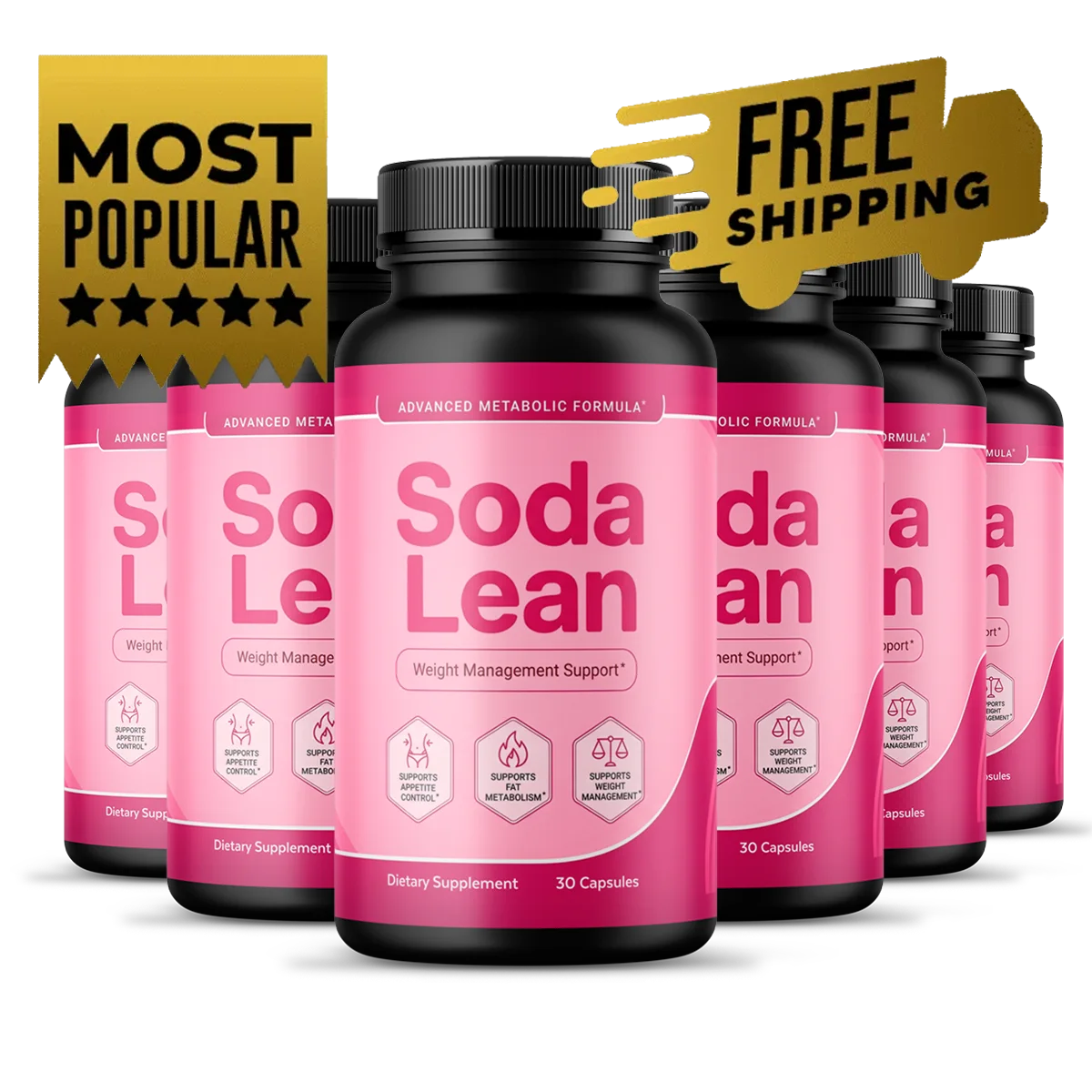
Fibre habits reward consistency, so most people choose a 3- or 6-bottle supply to stay in a steady routine.
How much psyllium husk should you take?
There is no single official dose, but the research and common practice give clear anchors:
- ✓ Typical amounts in studies run around 5 to 10 grams once to a few times per day, frequently before meals for the appetite effect.
- ✓ Always with water. This is non-negotiable. Take psyllium with a large glass of water (and drink more afterwards) so the gel forms in your stomach, not your throat.
- ✓ Start low, build up. Begin with a smaller amount and increase over a week or two to let your gut adjust and minimise any bloating.
- ✓ Separate from medications. Because psyllium can slow absorption of some medicines, take it a couple of hours apart from them.
Whatever product you choose, follow its directions. And remember that different fibres do different jobs — psyllium for gel-forming bulk and satiety, fermentable prebiotics for feeding your microbiome. Many people benefit from a mix, which is why understanding each one pays off.
What to look for on a psyllium husk label
- ✓ A named source. Look for “psyllium husk” or Plantago ovata, ideally noting it is the husk (not just seed powder).
- ✓ A clear gram amount per serving, so you can match it to research doses.
- ✓ Minimal extras. Watch for added sugars, artificial sweeteners and dyes in flavoured fibre products; a clean list is better.
- ✓ Clear water instructions. A responsible product tells you to take it with plenty of liquid.
- ✓ Quality signals such as manufacture in an FDA-registered, GMP-certified facility.
If fibre labels feel confusing, our guide on how to read a gut health supplement label breaks down fibres, strains and blends in about a minute, and how gut health affects weight loss puts fibre in the bigger picture.

Who should be cautious?
Psyllium is generally safe for most adults, but it has one safety rule that stands out among fibres: it must be taken with plenty of water. Taken with too little liquid, or by anyone with difficulty swallowing, it can pose a choking or blockage risk. It can also slow the absorption of some medications, so separate it from them by a couple of hours. Anyone with a bowel condition or a history of gut obstruction, who is pregnant or nursing, under 18, or managing a health condition or medication should consult a qualified healthcare professional before starting.
How to get the most from psyllium
Time it before meals. Taking it with water 15 to 30 minutes before eating gives the gel time to form for the fullness effect.
Hydrate generously. More water means a better gel and a more comfortable experience.
Pair it with fermentable fibre and food. Psyllium handles bulk and satiety; fermentable prebiotics feed your bacteria. A varied, plant-rich diet covers both, with supplements filling the gaps.
Be consistent. Like all fibres, psyllium rewards a steady daily habit far more than occasional use.
The bottom line
Psyllium husk is a genuinely useful, well-researched fibre — not because it burns fat, but because its gel-forming action supports fullness, steadier blood sugar and comfortable regularity, all of which make a sensible eating plan easier to keep. It differs from fermentable prebiotics like inulin and resistant starch, so think of it as a complementary tool rather than a replacement. Take it with plenty of water, start low and build up, separate it from medications, and use it consistently alongside real food and the everyday basics. Do that, and psyllium can be a quiet, dependable ally in a fibre-forward routine.
This guide was written and fact-checked by the SodaLean Research Team — an independent group focused on gut health, metabolism and evidence-based weight management — and medically reviewed by Emily Gottfried. We read the primary research, translate it into plain language, and flag hype wherever we find it. We never promise miracle results, only clear, accurate information you can act on. Spotted something to correct? Email [email protected].
Frequently asked questions
Does psyllium husk help with weight loss?
Psyllium husk is not a fat burner, but it is a well-studied soluble fibre that supports weight management indirectly. It forms a thick gel in the stomach that promotes fullness and slows digestion, which can help reduce overall food intake, and it supports steadier blood sugar and regularity. In research, adding psyllium alongside a sensible diet is linked with modest improvements in appetite and body weight.
How much psyllium husk should I take per day?
Studies commonly use around 5 to 10 grams of psyllium husk once to a few times daily, often before meals, though people should start with a smaller amount and build up. It is essential to take psyllium with a full glass of water, because it absorbs liquid and forms a gel. Always follow the directions on your specific product.
When is the best time to take psyllium for appetite?
Taking psyllium with a large glass of water about 15 to 30 minutes before a meal gives the gel time to form, which may support fullness at that meal. That said, consistency day to day matters more than exact timing, so the best time is whenever you will actually remember to take it.
Is psyllium husk a prebiotic?
Psyllium is only partially fermented by gut bacteria, so it is sometimes described as a gentle or partial prebiotic rather than a highly fermentable one like inulin. Much of its benefit comes from its gel-forming, bulking action rather than heavy fermentation, which is actually why some people tolerate it with less gas than more fermentable fibres.
Are there any risks with psyllium husk?
Psyllium is generally safe for most adults, but it must be taken with plenty of water to avoid choking or blockage, and it can slow the absorption of some medications, so it is best separated from them by a couple of hours. Anyone with swallowing difficulties, a bowel condition, who is pregnant or nursing, or taking medication should check with a qualified healthcare professional first.
References
- McRorie JW, McKeown NM. “Understanding the physics of functional fibers in the gastrointestinal tract: an evidence-based approach to resolving enduring misconceptions about insoluble and soluble fiber.” Journal of the Academy of Nutrition and Dietetics, 2017.
- Brum JM, et al. “Satiety effects of psyllium in healthy volunteers.” Appetite, 2016.
- Pal S, Radavelli-Bagatini S. “Effects of psyllium on metabolic syndrome risk factors.” Obesity Reviews, 2012.
- Gibb RD, et al. “Psyllium fiber improves glycemic control proportional to loss of glycemic control: a meta-analysis of trials in type 2 diabetes and prediabetes.” The American Journal of Clinical Nutrition, 2015.
- Slavin J. “Fiber and prebiotics: mechanisms and health benefits.” Nutrients, 2013.
† These statements have not been evaluated by the Food and Drug Administration. This product is not intended to diagnose, treat, cure or prevent any disease. This article is for general information only and is not medical advice; consult a qualified healthcare professional before making changes to your diet or supplement routine.