How to Increase GLP-1 Naturally: Fiber, Gut Bacteria & Appetite Hormones

Updated August 23, 2026 · reviewed by the SodaLean Research Team
| What GLP-1 is | A gut hormone that signals fullness, slows stomach emptying and steadies blood sugar. |
| Biggest natural lever | Fermentable prebiotic fibre (inulin, resistant starch) that gut bacteria turn into short-chain fatty acids. |
| Also helps | Protein at meals, a diverse microbiome, plus enough sleep and movement. |
| Reality check | Natural GLP-1 support is gentle and gradual — not the same as GLP-1 medications. |
GLP-1 has gone from an obscure bit of gut physiology to one of the most talked-about words in weight management. Most of that attention is aimed at prescription medications — but your own body makes GLP-1 every single day, and the way you eat and care for your gut has a real influence on it. This guide explains how to increase GLP-1 naturally: what the hormone does, how prebiotic fibre and gut bacteria trigger it, the foods and habits that help most, and what to look for on a label if you want extra support. To be clear from the outset, natural GLP-1 support is gentle and is not a substitute for any prescribed treatment.
What is GLP-1, and why does it matter?
GLP-1 stands for glucagon-like peptide-1. It is an incretin hormone released mainly by specialised cells in the lining of your lower gut (called L-cells) in response to food. Once released, GLP-1 does several useful things at once:
- ✓ Signals fullness to the brain, helping you feel satisfied sooner.
- ✓ Slows gastric emptying, so food leaves the stomach more gradually and hunger returns later.
- ✓ Supports blood-sugar control by encouraging appropriate insulin release after meals.
In other words, GLP-1 is one of your body's built-in "I have had enough" systems. Naturally supporting it will not switch off appetite the way a strong medication can, but it can tilt the everyday balance toward feeling satisfied — which is often the difference between a plan you can keep and one you cannot.
How fiber and gut bacteria trigger GLP-1
This is the mechanism at the heart of the natural approach, and it connects directly to gut health. There are two overlapping pathways.
1. The direct, same-meal effect
Soluble, viscous fibre slows digestion and stretches out the delivery of nutrients to your gut, which prolongs the signals that stimulate GLP-1 and its partner hormone PYY at that meal. Protein does something similar. This is why a higher-fibre, higher-protein meal tends to keep you full longer than a refined-carb one of the same calories.
2. The fermentation, next-day effect
This is the part most people miss. When fermentable prebiotic fibres like chicory root inulin and potato resistant starch reach your large intestine, your gut bacteria ferment them and produce short-chain fatty acids (SCFAs) — acetate, propionate and butyrate. Those SCFAs are potent stimulators of the very L-cells that release GLP-1. So feeding your microbiome the right fibre effectively recruits your own bacteria to boost your GLP-1 signalling over time. We cover this metabolite pathway in depth in our guide to butyrate and short-chain fatty acids, and the fibre side in our guides to chicory root inulin and potato resistant starch.

The natural GLP-1 toolkit: what actually helps
Here are the levers with the best support, ranked roughly by how much they matter for most people.
Eat more fermentable fibre
This is the single biggest gut-side lever. Aim to build up your intake of prebiotic fibres from foods like onions, garlic, leeks, asparagus, slightly green bananas, oats, beans and lentils — and, if helpful, a measured prebiotic supplement. Increase gradually so your gut adapts comfortably.
Include protein at meals
Protein is one of the strongest same-meal stimulators of GLP-1 and satiety. Anchoring each meal with a protein source supports both the hormone and steadier energy.
Feed a diverse microbiome
The more diverse and well-fed your beneficial bacteria, the more SCFAs they can produce. A varied plant intake plus, where sensible, live probiotic strains supports this. See Bifidobacterium lactis and Akkermansia muciniphila for two strains studied around metabolic health.
Mind the basics
Poor sleep and chronic stress blunt appetite regulation, while regular movement supports insulin sensitivity and the overall hormonal environment GLP-1 operates in. None of these is glamorous, but they set the stage for everything else.
Feed your body's own appetite signals
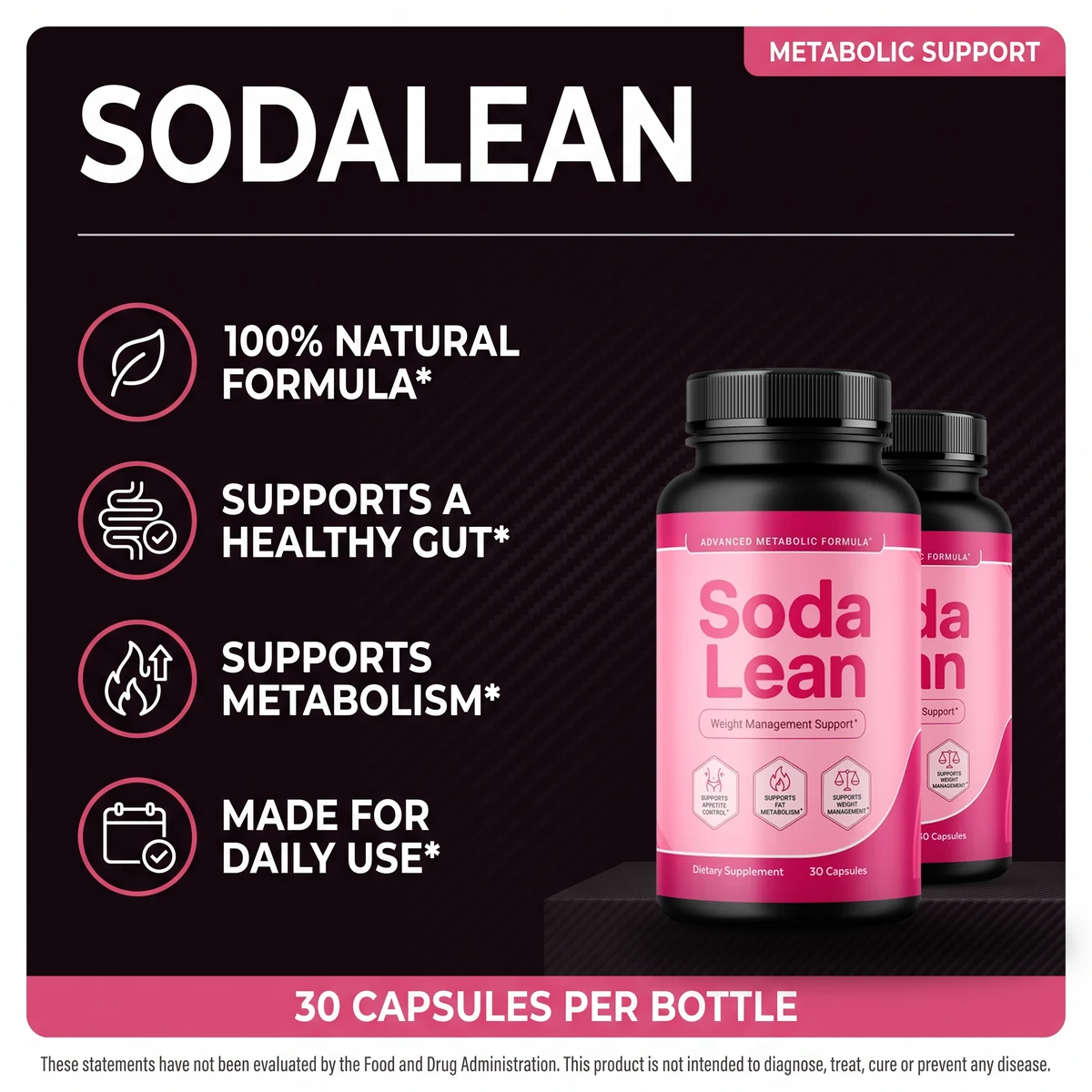
SodaLean™ delivers chicory root inulin and potato resistant starch with a live probiotic blend — the fermentable fibres and bacteria that support your own short-chain fatty acid and satiety signalling. One daily capsule, 60-day money-back guarantee.
See SodaLean Packages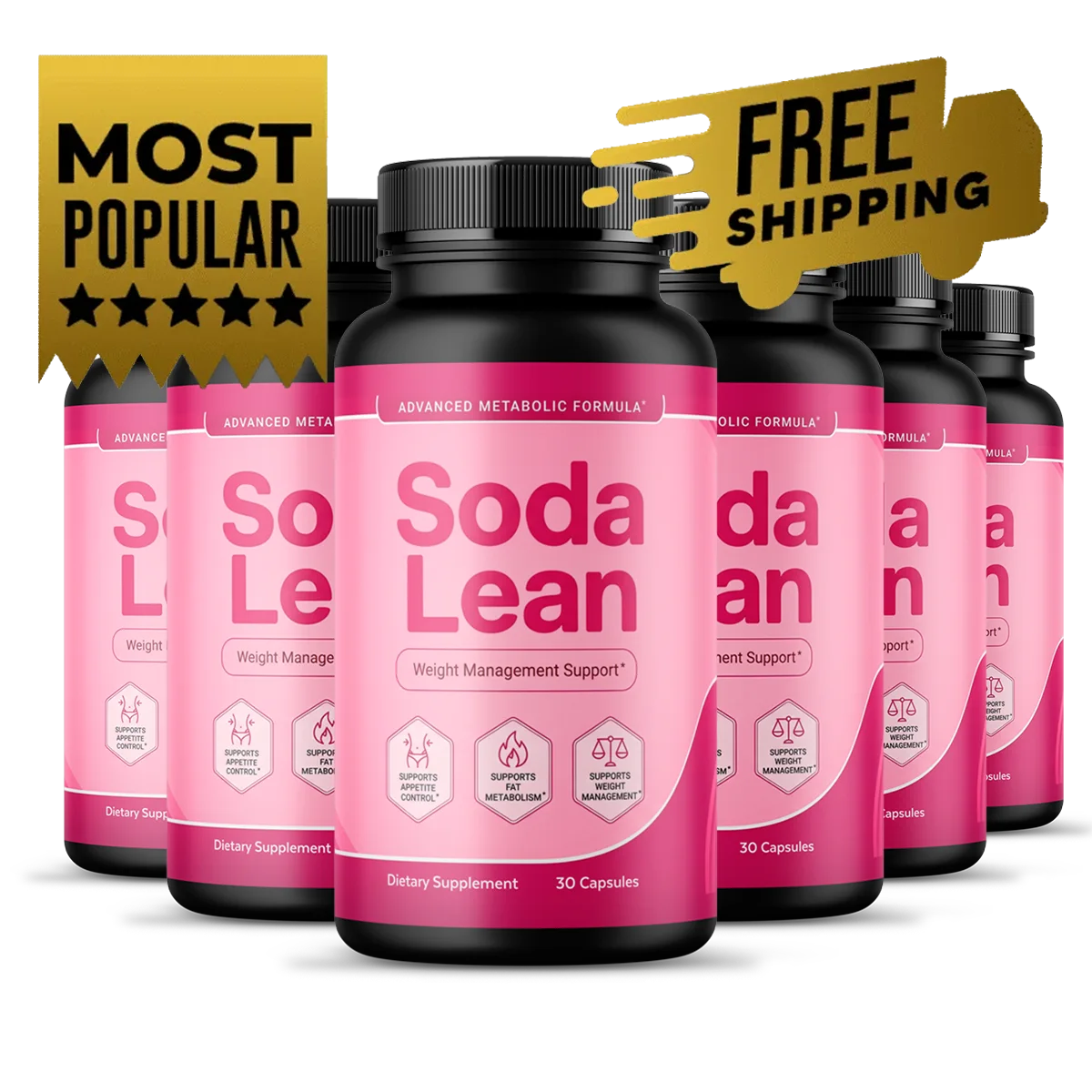
Because the gut-microbiome effect builds over weeks, most people choose a 3- or 6-bottle supply.
How natural GLP-1 support differs from medications
This distinction matters, so we will be blunt about it. GLP-1 receptor agonist medications are prescription drugs that powerfully and continuously activate the GLP-1 receptor at levels far beyond anything food produces. The natural strategies in this article support your body's own, much gentler GLP-1 release. They are not equivalent in strength, and nothing here is a replacement for a prescribed treatment. If you are considering or already using a medication, that is a conversation for your doctor. The natural approach is best thought of as a way to support everyday appetite and metabolism, not to mimic a drug.
What to look for on a label
If you want a supplement to help support your own GLP-1 through the fibre-and-bacteria pathway, look for the same markers of a quality gut-first product:
- ✓ Named fermentable fibres such as chicory root inulin or potato resistant starch, with a clear per-serving amount — these are what your bacteria turn into GLP-1-stimulating SCFAs.
- ✓ Named probiotic strains with CFU guaranteed through the expiry date, so the fibre has bacteria to work with.
- ✓ Honest claims. Be sceptical of any supplement claiming to work like a GLP-1 drug. The natural pathway is real but gentle.
- ✓ Quality signals such as manufacture in an FDA-registered, GMP-certified facility and non-GMO sourcing.
For a full walkthrough, see how to read a gut health supplement label.

Who should be cautious?
The dietary and fibre strategies here are appropriate for most healthy adults, though those new to high-fibre eating should build up gradually to avoid temporary gas or bloating. Anyone who is pregnant or nursing, under 18, managing diabetes or blood-sugar medication, or living with a health condition should consult a qualified healthcare professional before making significant changes — especially since GLP-1 and blood sugar are closely linked and any medication doses may need professional oversight.
The bottom line
You do not need a prescription to influence GLP-1 — your gut makes it every day, and how you eat directly shapes it. The most reliable natural levers are fermentable prebiotic fibre, protein at meals, a well-fed and diverse microbiome, and the unglamorous basics of sleep and movement. The fibre pathway is especially elegant: feed the right fibre, and your own bacteria produce the short-chain fatty acids that stimulate your GLP-1 for you. Keep expectations realistic — this is gentle, gradual support, not a drug — and give it the weeks of consistency the microbiome side requires. For the wider picture, see how gut health affects weight loss.
This guide was written and fact-checked by the SodaLean Research Team — an independent group focused on gut health, metabolism and evidence-based weight management — and medically reviewed by Emily Gottfried. We read the primary research, translate it into plain language, and flag hype wherever we find it. We never promise miracle results, only clear, accurate information you can act on. Spotted something to correct? Email [email protected].
Frequently asked questions
What is GLP-1 and why does it matter for weight?
GLP-1 (glucagon-like peptide-1) is a hormone released by cells in your gut after you eat. It signals fullness to the brain, slows how fast the stomach empties, and helps regulate blood sugar. Because it is one of the body's main satiety signals, supporting your own GLP-1 can make it easier to feel satisfied and eat to appetite rather than past it.
How can I increase GLP-1 naturally without medication?
The most reliable natural levers are eating enough fibre (especially fermentable prebiotic fibre such as inulin and resistant starch), including protein at meals, feeding a healthy gut microbiome so it produces short-chain fatty acids, and supporting the basics of sleep and movement. These approaches nudge your body's own GLP-1 gently and gradually rather than dramatically.
Does fiber really trigger GLP-1?
Yes, indirectly and directly. Soluble and fermentable fibres slow digestion, which supports fullness, and when gut bacteria ferment them they produce short-chain fatty acids that stimulate the gut cells responsible for releasing GLP-1 and a related hormone, PYY. This is a major reason higher-fibre diets are consistently linked with better appetite control.
How is natural GLP-1 different from GLP-1 medications?
GLP-1 receptor agonist medications are prescription drugs that powerfully and continuously activate the GLP-1 receptor. Natural strategies simply support your body's own, much gentler GLP-1 release through food and gut health. They are not equivalent in strength, and this article is about the natural approach only, not a substitute for any prescribed treatment. Speak with your doctor about medications.
How long does it take to support GLP-1 through diet and gut health?
Some effects, like feeling fuller after a high-fibre, higher-protein meal, can happen the same day. The gut-microbiome side builds more slowly, over a few weeks of consistent fibre intake, as your bacteria adapt and their short-chain fatty acid output rises. Consistency matters more than any single meal.
References
- Tolhurst G, et al. “Short-chain fatty acids stimulate glucagon-like peptide-1 secretion via the G-protein-coupled receptor FFAR2.” Diabetes, 2012.
- Cani PD, et al. “Gut microbiota fermentation of prebiotics increases satietogenic and incretin gut peptide production.” The American Journal of Clinical Nutrition, 2009.
- Chambers ES, et al. “Effects of targeted delivery of propionate to the human colon on appetite regulation, body weight maintenance and adiposity.” Gut, 2015.
- Koh A, et al. “From dietary fiber to host physiology: short-chain fatty acids as key bacterial metabolites.” Cell, 2016.
- Gibson GR, et al. “The ISAPP consensus statement on the definition and scope of prebiotics.” Nature Reviews Gastroenterology & Hepatology, 2017.
† These statements have not been evaluated by the Food and Drug Administration. This product is not intended to diagnose, treat, cure or prevent any disease. This article is for general information only and is not medical advice; consult a qualified healthcare professional before making changes to your diet or supplement routine.